Series Review: Bakuhatsu Yuuki BangBravern
Get inside me, Isami! – Totally not Gayrobot.
We haven’t got a lot of unapologetically cheesy Super Robot as of late, but when the patron saint of the Super Robot’s “rule of cool” Masami Obari is at the helm, we can expect a certain degree of unfiltered badassery as well as overwhelming fanservice. Combining the most Obarism elements from SRW OG Inspector, Gravion and Dancouga Nova, Cygames (yes they made this anime) has created one of the most unique Super Robot series in modern day.
//PLOT//
We can all agree that a meaningful and deep plot wasn’t something Obari’s works excel at. They usually feature some very simple premise and a pretty straightforward development. However, with him being the director, the writing team was able to come up with somewhat a multi-layered plot, with some pretty good twists that make it feel like a mini SRW. It has all the tropes that a SRW has like a rival-turned-ally, a mid-season upgrade, and a “hidden” boss as well.
The premise is actually quite interesting. From the marketing phase, Cygames only teased the mass-produced mechs in the series – which are all real-robots type. That raised a lot of eyebrows since the name of the series is Yuuki Bakuhatsu BangBravern – a name that reeks of Yuusha series, with very obvious classic logo design and staff. So everyone’s concern was understandable. But Obari isn’t a stranger with doing the whole “real robot first then super robot later” like Ordian, so everyone was excited to see what they are cooking up.
And they delivered! Obari and Cygames wowed us in the first episode with a masterful bait and switch. After a very standard militaristic plot, the super enemies arrive and bamboozled everyone. Then, in the nick of time, a Super Robot descended from the heaven, pulled our mc in and began kicking asses. And afterwards, it turned into a full-blown Super Robot vs Alien robots series with an insane opening. The end of episode 1 secured the audience’s interest for the rest of the season.
We can all agree that a meaningful and deep plot wasn’t something Obari’s works excel at. They usually feature some very simple premise and a pretty straightforward development. However, with him being the director, the writing team was able to come up with somewhat a multi-layered plot, with some pretty good twists that make it feel like a mini SRW. It has all the tropes that a SRW has like a rival-turned-ally, a mid-season upgrade, and a “hidden” boss as well.
The premise is actually quite interesting. From the marketing phase, Cygames only teased the mass-produced mechs in the series – which are all real-robots type. That raised a lot of eyebrows since the name of the series is Yuuki Bakuhatsu BangBravern – a name that reeks of Yuusha series, with very obvious classic logo design and staff. So everyone’s concern was understandable. But Obari isn’t a stranger with doing the whole “real robot first then super robot later” like Ordian, so everyone was excited to see what they are cooking up.
And they delivered! Obari and Cygames wowed us in the first episode with a masterful bait and switch. After a very standard militaristic plot, the super enemies arrive and bamboozled everyone. Then, in the nick of time, a Super Robot descended from the heaven, pulled our mc in and began kicking asses. And afterwards, it turned into a full-blown Super Robot vs Alien robots series with an insane opening. The end of episode 1 secured the audience’s interest for the rest of the season.
//CHARACTERS//
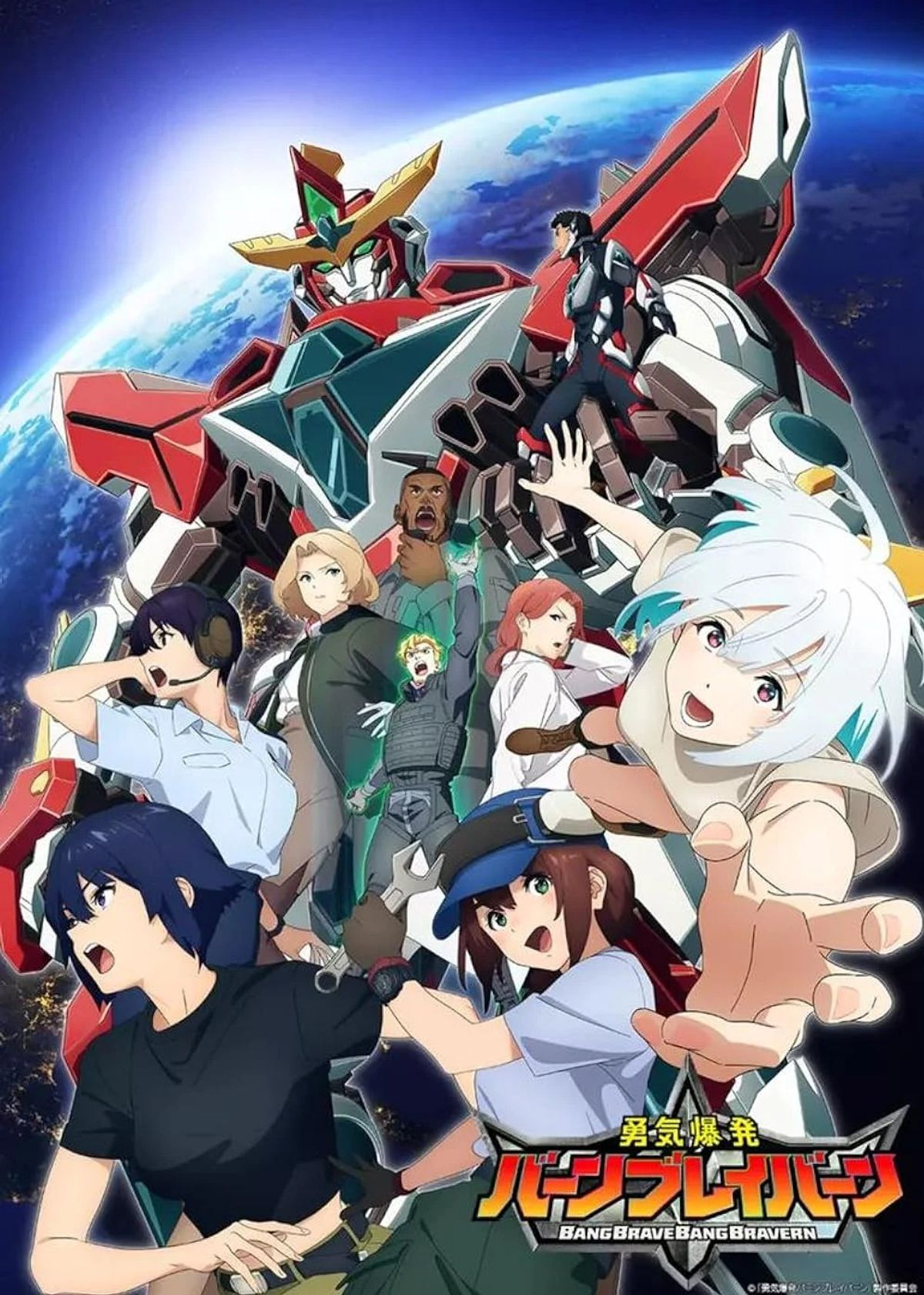
The two main characters of the series is Isami Ao and Lewis Smith. A stoic and introverted Japanese soldier and a gung-ho overbearing US soldier – two opposites in all aspect. They ended up being stuck together after the Earth’s military seemingly got wiped out by the aliens and their squad was the only one left due to being saved by Bravern – the mysterious transforming robot that appeared out of nowhere and “swallowed” Isami into his cockpit. Bravern is sentient, and is strangely obsessed with having Isami inside of him (literally). Lewis is a Super Robot fanboi – just like Gravion’s Alex Smith – so seeing Bravern is basically his dream come true. However, he couldn’t pilot Bravern, and only Isami could. So Smith is stuck in a mass-produced mech trying to fight against invulnerable alien crafts. On the other hand, Isami absolutely hates having to pilot this…pervert Super Robot that always go on and on about having Isami inside him (which is completely understandable). But he needs to in order to defeat the enemies and save everyone’s life.
Isami Ao – Bravern’s “pilot” – is pretty much an “anti-Brave” protagonist. He’s a soldier of the JSDF, but he only considers the usual duty of a military member, and not the “grand” ideal like Smith has about heroism. He just wanted to do his duty as a normal soldier by following orders and fight…well…other humans or man-made mechs, not alien Super Robot. So when Bravern descended from the sky like some absurd superhero from a comic, and insisted Isami to get inside him in a little creepy way, Isami was freaked out (understandably so). Still, along the way, he grew to like Smith and Bravern as more of a comrade. And their relationship turned into some sort of Buddy Cop like Rush Hour but with a dash of Super Robot trope. Still, in the end, I think Isami did grow a lot along the way, and i appreciate his sentiment towards Smith and Bravern (#nohomo).
Lewis Smith – the American that the Japanese think they are – is basically Obari’s self insert (or mecha fans in general). Dude became a mech pilot to become a hero like the cartoon he once watched, or the comic he once read. However, there’s no “hero mech” in the army, so he settle for a normal one, with the sole purpose of becoming a hero by saving others. He has quite a grand ideal, and is prepared to sacrifice for it. At first glance, he seemed very shallow and just a typical mecha weeb fanboying about everything he can, but he quickly showed us that he is a compassionate man who is also quite emotional. He’s also one who is willing to make the sacrifice play. But the reason he is a mecha fan’s self-insert is due to his intense emotion and love for the heroic image of a Super Robot – so strong that when he died, his willpower forced the enemy to screw up the timeline and revive him once more – this time in the form of the super hero he once dreamed of. Needless to say, that was an unexpected shocker! However, during the time the series was airing, there were some theorists that theorized that “that one” might be Lewis, but many of them were like “well, that was just some fun yappering, there’s no way they will…HOLY SHIT!!!”. The fact that Bravern is willing to pull this stunt show Obari’s unfiltered “craziness” – and the unexpected subversion that a modern Super Robot series can bring.
Bravern, the titular mecha, is its own character—wholeheartedly alive (if you watched until the end). His in-cockpit theme music was a fun and unexpected subversion of the usual Super Robot tropes. Bravern is basically a mech built for a mecha Otaku – and that is because he literally is. Due to an extremely wacky shenanigans, a certain mecha fanatic was reborn in the shape of his childhood hero, as well as with the gimmicks to announce it to the world. From the first few episode, you’d think that Bravern is a combination of a cringe gaybot and an overzealous idealistic mecha that yearns for heroics and its pilot, but after the decisive episode with the Deathdrive Knuth, the truth about his origin was revealed and everything sorta clicked in place. To be honest, this is an absolutely out-of-pocket move for the series. I don’t think there has ever been a mecha series that used this type of recursive Groundhog Day to this extent. There has been some reality warping series like Eureka 7, Evangelion, etc…but none to this extent – and by Obari no less. So this is definitely a very unique take on both the series and the character as well.
The two main characters of the series is Isami Ao and Lewis Smith. A stoic and introverted Japanese soldier and a gung-ho overbearing US soldier – two opposites in all aspect. They ended up being stuck together after the Earth’s military seemingly got wiped out by the aliens and their squad was the only one left due to being saved by Bravern – the mysterious transforming robot that appeared out of nowhere and “swallowed” Isami into his cockpit. Bravern is sentient, and is strangely obsessed with having Isami inside of him (literally). Lewis is a Super Robot fanboi – just like Gravion’s Alex Smith – so seeing Bravern is basically his dream come true. However, he couldn’t pilot Bravern, and only Isami could. So Smith is stuck in a mass-produced mech trying to fight against invulnerable alien crafts. On the other hand, Isami absolutely hates having to pilot this…pervert Super Robot that always go on and on about having Isami inside him (which is completely understandable). But he needs to in order to defeat the enemies and save everyone’s life.
Isami Ao – Bravern’s “pilot” – is pretty much an “anti-Brave” protagonist. He’s a soldier of the JSDF, but he only considers the usual duty of a military member, and not the “grand” ideal like Smith has about heroism. He just wanted to do his duty as a normal soldier by following orders and fight…well…other humans or man-made mechs, not alien Super Robot. So when Bravern descended from the sky like some absurd superhero from a comic, and insisted Isami to get inside him in a little creepy way, Isami was freaked out (understandably so). Still, along the way, he grew to like Smith and Bravern as more of a comrade. And their relationship turned into some sort of Buddy Cop like Rush Hour but with a dash of Super Robot trope. Still, in the end, I think Isami did grow a lot along the way, and i appreciate his sentiment towards Smith and Bravern (#nohomo).
Lewis Smith – the American that the Japanese think they are – is basically Obari’s self insert (or mecha fans in general). Dude became a mech pilot to become a hero like the cartoon he once watched, or the comic he once read. However, there’s no “hero mech” in the army, so he settle for a normal one, with the sole purpose of becoming a hero by saving others. He has quite a grand ideal, and is prepared to sacrifice for it. At first glance, he seemed very shallow and just a typical mecha weeb fanboying about everything he can, but he quickly showed us that he is a compassionate man who is also quite emotional. He’s also one who is willing to make the sacrifice play. But the reason he is a mecha fan’s self-insert is due to his intense emotion and love for the heroic image of a Super Robot – so strong that when he died, his willpower forced the enemy to screw up the timeline and revive him once more – this time in the form of the super hero he once dreamed of. Needless to say, that was an unexpected shocker! However, during the time the series was airing, there were some theorists that theorized that “that one” might be Lewis, but many of them were like “well, that was just some fun yappering, there’s no way they will…HOLY SHIT!!!”. The fact that Bravern is willing to pull this stunt show Obari’s unfiltered “craziness” – and the unexpected subversion that a modern Super Robot series can bring.
Bravern, the titular mecha, is its own character—wholeheartedly alive (if you watched until the end). His in-cockpit theme music was a fun and unexpected subversion of the usual Super Robot tropes. Bravern is basically a mech built for a mecha Otaku – and that is because he literally is. Due to an extremely wacky shenanigans, a certain mecha fanatic was reborn in the shape of his childhood hero, as well as with the gimmicks to announce it to the world. From the first few episode, you’d think that Bravern is a combination of a cringe gaybot and an overzealous idealistic mecha that yearns for heroics and its pilot, but after the decisive episode with the Deathdrive Knuth, the truth about his origin was revealed and everything sorta clicked in place. To be honest, this is an absolutely out-of-pocket move for the series. I don’t think there has ever been a mecha series that used this type of recursive Groundhog Day to this extent. There has been some reality warping series like Eureka 7, Evangelion, etc…but none to this extent – and by Obari no less. So this is definitely a very unique take on both the series and the character as well.
[ Supporting Cast ]
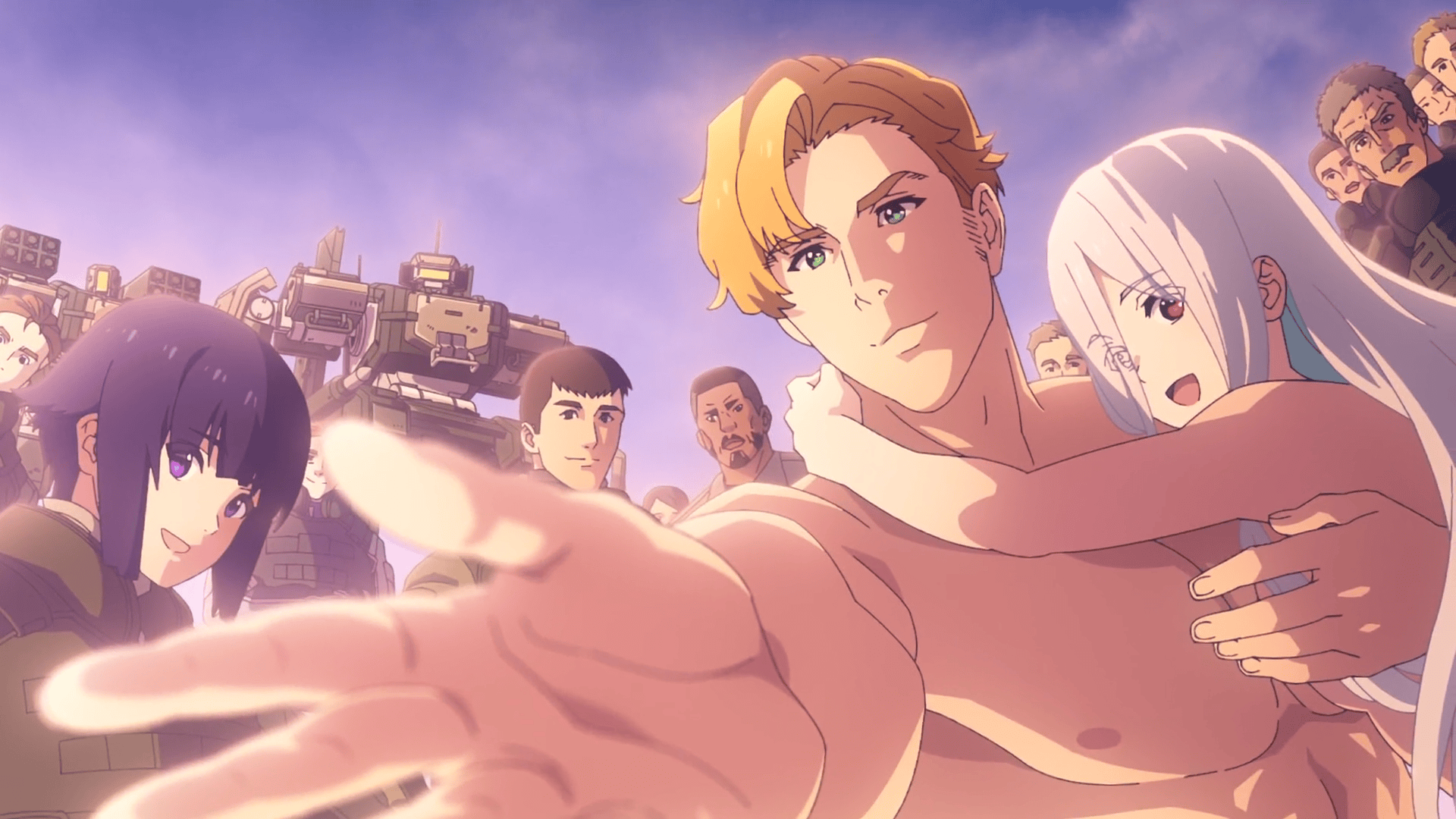
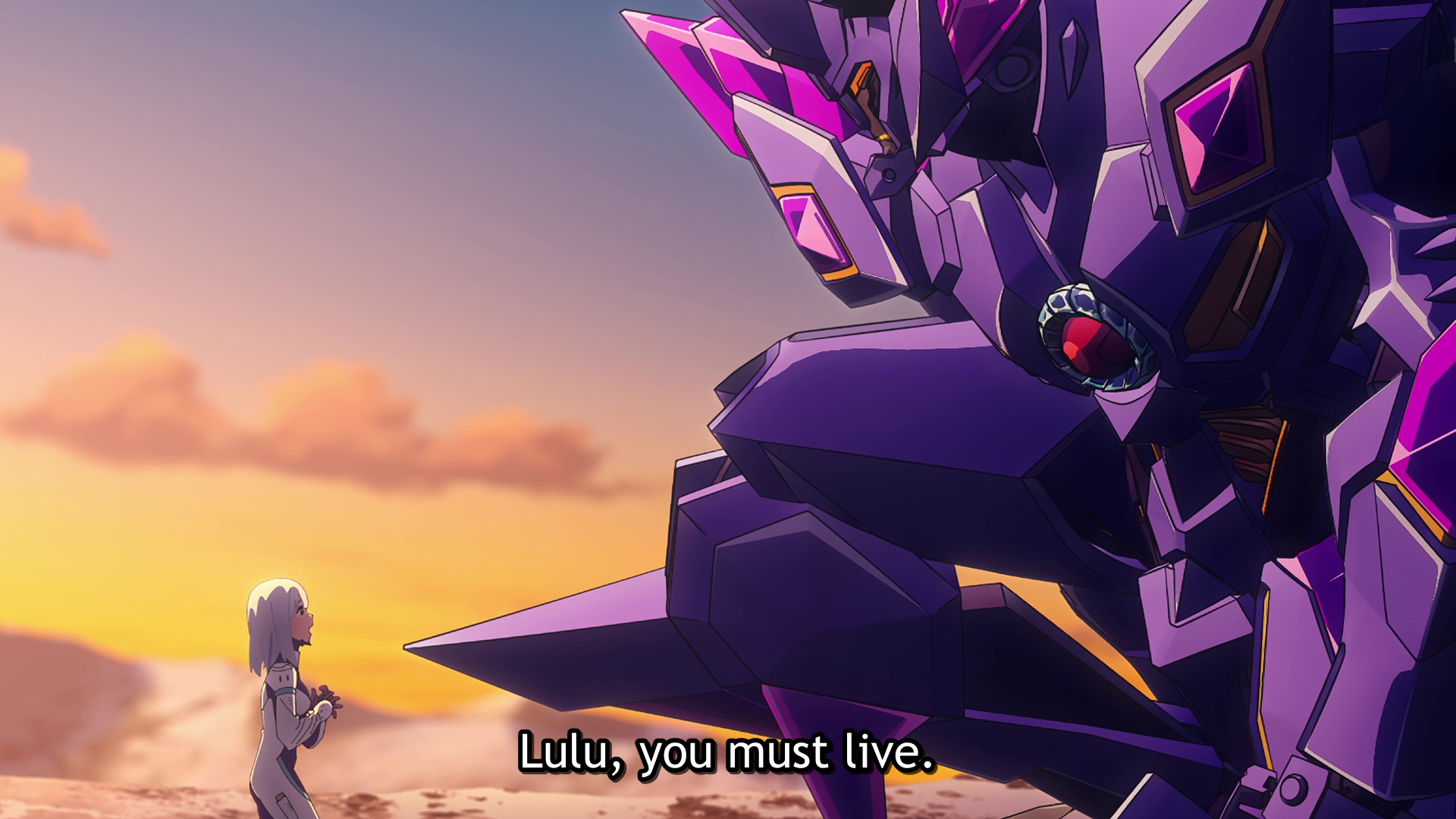
Most of the supporting cast are quite simple. They are introduced with one personality trait and they pretty much kept it for the entire series – except for two of them: Lulu and Superbia. Lulu is actually quite interesting, I dare say her development is very much an Obari self-insert when it comes to the love for mecha. Lulu was Superbia’s “battery”, and was abandoned like an item. She was picked up by Lewis and basically started out as a “blank” piece of paper. Over time, Lewis’ burning passion and Bravern’s eccentricity has rubbed off on Lulu, turning her into a gung-ho kid that is ready to charge into danger, while still being very sweet to others around her.
Superbia is another aspect of the mecha genre that isn’t usually emphasized, but is extremely common in general. The “face-heel-turn” archrival where an antagonist had a change of heart and return to support the main character has been seen many times like in Might Gaine, Gaogaigar, Aquarion, and many more. But in those series, the reformed villain is only given a small spotlight, where as in Bravern, Superbia played a major role in the story, as well as interacting with other characters in a very unique and interesting way. Superbia is basically Bravern’s “R-Daigun”, with viewers quickly coming up with ways for him to “combine” with Bravern. Although the end result wasn’t what they truly wanted, it still happened in a way that is different from expectation. The usual Obari’s “subversion” lol.
[ The Villians ]
Bravern’s villain is a pretty unique bunch. They are basically mid bosses that possess a unique “quirk” and a different reason to fight Bravern. Some are pretty standard, and some are quite…out there – even in terms of Super Robot silliness. I think Obari in particular and Super Robot in general has done a lot of nuanced and deep villains as well as comically evil villains, so now they want to do something new. Even so, they still follow the format of a Super Robot War villain development where you gradually going through stronger and stronger mid-bosses to finally arrive at a cosmically powerful boss at the end. And, in true Obari fashion, there’s a boss who is “obsessed” with fan-service and her mind is constantly in the gutter, but she looks like a bonafide mecha so…good for the clankers I guess XD. In conclusion, I really like what they did with the antagonist, however one or two of them can be a hit or miss. The fact that we only got 12 episodes is also a constraint on how fleshed out the villains can be. And it’s not much.
Most of the supporting cast are quite simple. They are introduced with one personality trait and they pretty much kept it for the entire series – except for two of them: Lulu and Superbia. Lulu is actually quite interesting, I dare say her development is very much an Obari self-insert when it comes to the love for mecha. Lulu was Superbia’s “battery”, and was abandoned like an item. She was picked up by Lewis and basically started out as a “blank” piece of paper. Over time, Lewis’ burning passion and Bravern’s eccentricity has rubbed off on Lulu, turning her into a gung-ho kid that is ready to charge into danger, while still being very sweet to others around her.
Superbia is another aspect of the mecha genre that isn’t usually emphasized, but is extremely common in general. The “face-heel-turn” archrival where an antagonist had a change of heart and return to support the main character has been seen many times like in Might Gaine, Gaogaigar, Aquarion, and many more. But in those series, the reformed villain is only given a small spotlight, where as in Bravern, Superbia played a major role in the story, as well as interacting with other characters in a very unique and interesting way. Superbia is basically Bravern’s “R-Daigun”, with viewers quickly coming up with ways for him to “combine” with Bravern. Although the end result wasn’t what they truly wanted, it still happened in a way that is different from expectation. The usual Obari’s “subversion” lol.
[ The Villians ]
Bravern’s villain is a pretty unique bunch. They are basically mid bosses that possess a unique “quirk” and a different reason to fight Bravern. Some are pretty standard, and some are quite…out there – even in terms of Super Robot silliness. I think Obari in particular and Super Robot in general has done a lot of nuanced and deep villains as well as comically evil villains, so now they want to do something new. Even so, they still follow the format of a Super Robot War villain development where you gradually going through stronger and stronger mid-bosses to finally arrive at a cosmically powerful boss at the end. And, in true Obari fashion, there’s a boss who is “obsessed” with fan-service and her mind is constantly in the gutter, but she looks like a bonafide mecha so…good for the clankers I guess XD. In conclusion, I really like what they did with the antagonist, however one or two of them can be a hit or miss. The fact that we only got 12 episodes is also a constraint on how fleshed out the villains can be. And it’s not much.
//VISUAL//
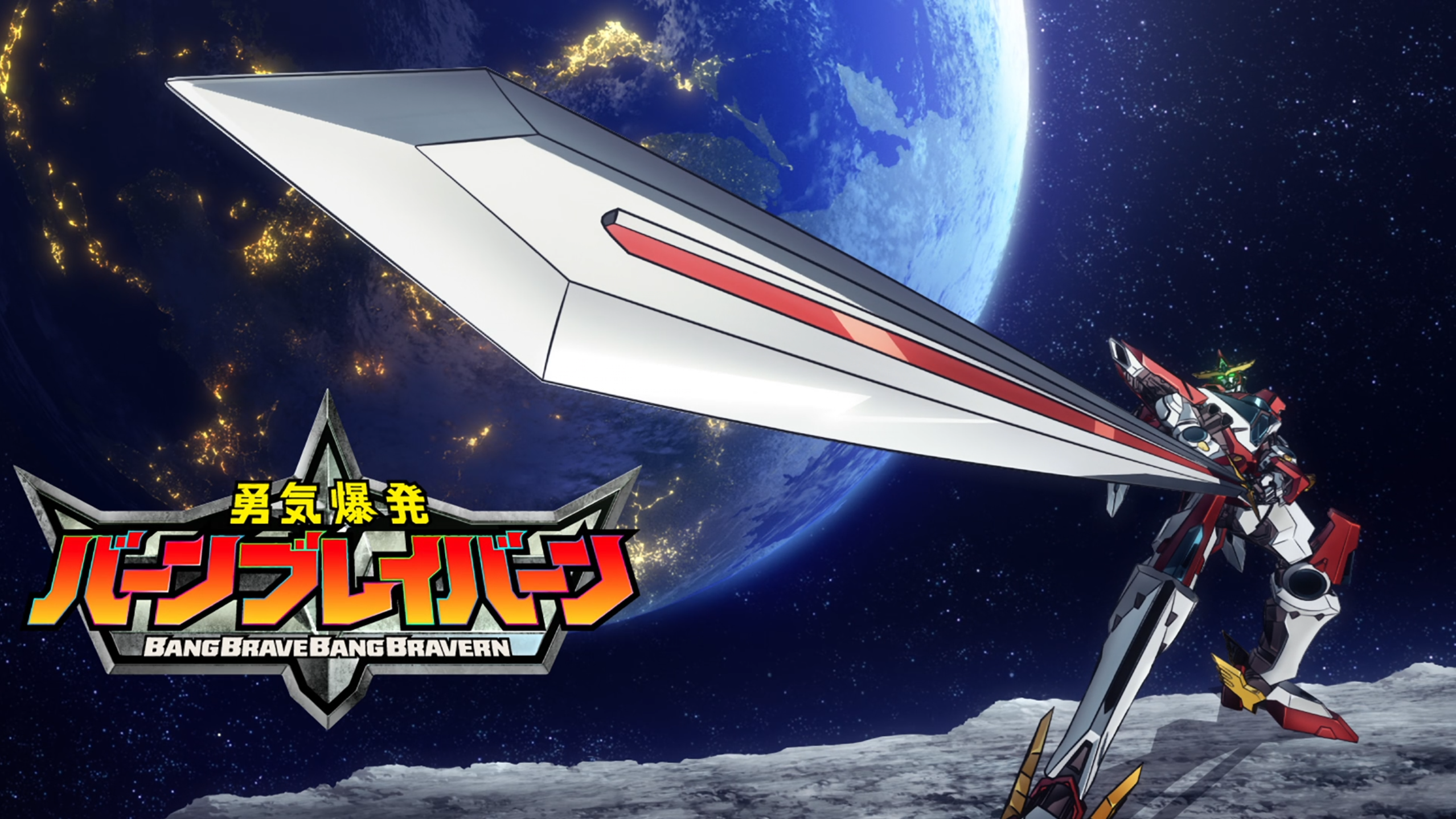
A departure from Obari-sensei’s usual style. All of his directed series have been in 2D hand-drawn style, but it’s not like we haven’t seen his design in 3D before. He has made several original designs for companies in Japan that they animated in 3D – like Ryugin Robo for a bank, or the Ziguru Hazeru toy-line for Megahouse. And in this modern day, 3DCG mecha seems to be the norm. Still, studios are very quickly mastering the art of 3DCG, and the studios that worked on Bravern is no exception. The animation is quite fluid and beautiful. The Obarism is translated very well into the 3D model and we still get the good ol’ Obari-punch, the Obari Sword Pose, and everything else – which makes sense since even back in Super Robot Wars OG: The Inspectors – they’ve already mastered this. On the mechanical side, there is absolutely nothing to criticize. The series highlights the memorable gattai and henkei sequences and references to other Brave series like Brave Express Might Gaine. The choreography of the mechs punching, combining, and glowing gold in the final battle peak Obarism.
On the 2D character side, we get a pretty standard animation quality. There’s no obvious “bad” smear frame and everyone was animated with relatively high standard – even the side character. The animation style differs quite a lot between male and female characters, but what they got in common is the amped-up fan-service. Yes, Obari put in just as much male fanservice in the series as the female ones. Hell, I’d say the fanservice for female audience is much more high quality in Bravern. We got tons of shirtless macho men, wrestling together bare-skinned, and even a male robot saying “I love you” to a male human. The final nail in the coffin is the ultra descriptive way Bravern described how it feels to have Isami “getting inside him”. No joke, this might be the gayest, yet manliest Super Robot show ever! (Maybe except CCA).
//AUDIO//
Even though it is an Obari series, with Cygames at the helm, everyone sorta expect something like Jam Project or a modern Gundam opening – with a catchy and modern use of electrical instruments. But the series subverted all of that at the end of the first episode when we first heard and saw the opening. It was literally a 90s Brave-series opening – with deep, rough vocal by none other than Shinn Asuka…ahem…I mean…Bravern himself. It’s kinda a tongue-in-cheek joke considering the song was literally blasting in the cockpit of Bravern when Isami was piloting him. The song is a nostalgia bomb aimed at mecha fans who have lived through the days of Gaogaigar, Mazinger, Dragonar…and more.
The ending song is…well…also a bit of a tongue-in-cheek joke. So Obari is VERY well known for Mecha, but he is ALSO very well-known for his extremely generous fanservice and Ero-series. Some savvy “otakus” might have seen his acclaimed works such as Angel Blade or Viper GTS, as well as various other works of his. So yes, he is extremely notorious for accentuating feminine features in his series. But this time, he wanted to subvert us one last time – the ending is basically bromance on steroid with Isami in Lewis performing a duet together…while shirtless. If you think that’s gay, wait until you get near the end of the series. Obari-sensei really pulling a 180 on us for this one lol.
A departure from Obari-sensei’s usual style. All of his directed series have been in 2D hand-drawn style, but it’s not like we haven’t seen his design in 3D before. He has made several original designs for companies in Japan that they animated in 3D – like Ryugin Robo for a bank, or the Ziguru Hazeru toy-line for Megahouse. And in this modern day, 3DCG mecha seems to be the norm. Still, studios are very quickly mastering the art of 3DCG, and the studios that worked on Bravern is no exception. The animation is quite fluid and beautiful. The Obarism is translated very well into the 3D model and we still get the good ol’ Obari-punch, the Obari Sword Pose, and everything else – which makes sense since even back in Super Robot Wars OG: The Inspectors – they’ve already mastered this. On the mechanical side, there is absolutely nothing to criticize. The series highlights the memorable gattai and henkei sequences and references to other Brave series like Brave Express Might Gaine. The choreography of the mechs punching, combining, and glowing gold in the final battle peak Obarism.
On the 2D character side, we get a pretty standard animation quality. There’s no obvious “bad” smear frame and everyone was animated with relatively high standard – even the side character. The animation style differs quite a lot between male and female characters, but what they got in common is the amped-up fan-service. Yes, Obari put in just as much male fanservice in the series as the female ones. Hell, I’d say the fanservice for female audience is much more high quality in Bravern. We got tons of shirtless macho men, wrestling together bare-skinned, and even a male robot saying “I love you” to a male human. The final nail in the coffin is the ultra descriptive way Bravern described how it feels to have Isami “getting inside him”. No joke, this might be the gayest, yet manliest Super Robot show ever! (Maybe except CCA).
//AUDIO//
Even though it is an Obari series, with Cygames at the helm, everyone sorta expect something like Jam Project or a modern Gundam opening – with a catchy and modern use of electrical instruments. But the series subverted all of that at the end of the first episode when we first heard and saw the opening. It was literally a 90s Brave-series opening – with deep, rough vocal by none other than Shinn Asuka…ahem…I mean…Bravern himself. It’s kinda a tongue-in-cheek joke considering the song was literally blasting in the cockpit of Bravern when Isami was piloting him. The song is a nostalgia bomb aimed at mecha fans who have lived through the days of Gaogaigar, Mazinger, Dragonar…and more.
The ending song is…well…also a bit of a tongue-in-cheek joke. So Obari is VERY well known for Mecha, but he is ALSO very well-known for his extremely generous fanservice and Ero-series. Some savvy “otakus” might have seen his acclaimed works such as Angel Blade or Viper GTS, as well as various other works of his. So yes, he is extremely notorious for accentuating feminine features in his series. But this time, he wanted to subvert us one last time – the ending is basically bromance on steroid with Isami in Lewis performing a duet together…while shirtless. If you think that’s gay, wait until you get near the end of the series. Obari-sensei really pulling a 180 on us for this one lol.
//CONCLUSION//
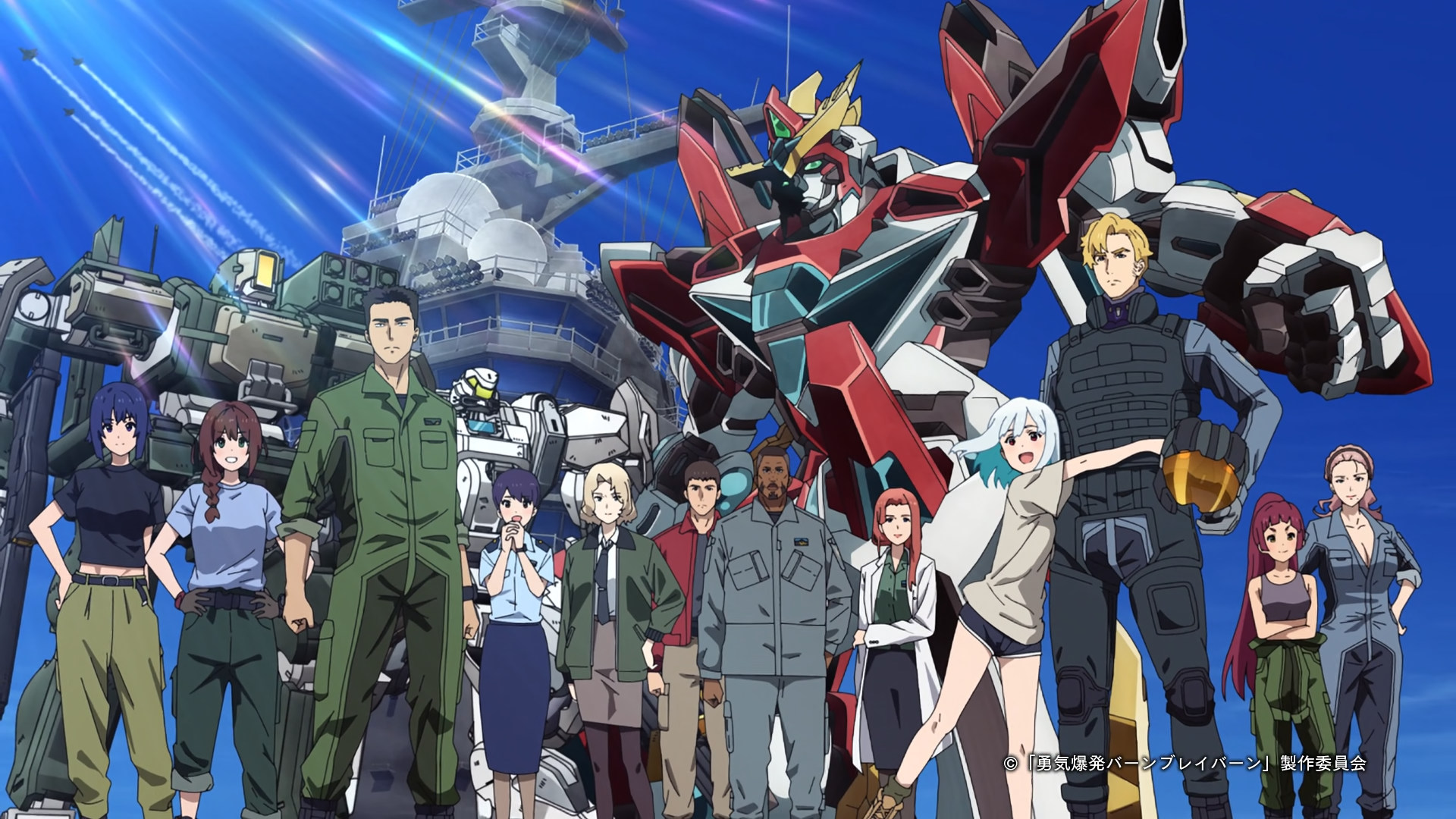
What elevates this into a cult hit is how it balances lampooning its own clichés while still giving them dramatic weight. This show is a massive piece of parody yet still takes itself 100 % seriously in terms of plot. Intense and explosive action, passionate gattais, and insane emotional payoffs like Superbia’s sacrifice and Isami discovering bravery – plus Lewis’s dramatic plot twist – all resonate when juxtaposed against the absurd premise of the show. Obari’s show is known to have weakness in terms of writing, especially towards the end where a lot of loose ends are left on cliffhangers like G Dangaioh, Dangaizer or lacking substance like Dancouga Nova. With Bravern, Obari has shown that when he has a solid script and can direct the show as he like, we will be eating good. Bravern was unapologetic in its approach to mecha, and it bring a fresh passion to the genre that we haven’t seen in years. If you want something as a compete palate cleanser with some Obari’s craziness, then Bravern is the series to go!
What elevates this into a cult hit is how it balances lampooning its own clichés while still giving them dramatic weight. This show is a massive piece of parody yet still takes itself 100 % seriously in terms of plot. Intense and explosive action, passionate gattais, and insane emotional payoffs like Superbia’s sacrifice and Isami discovering bravery – plus Lewis’s dramatic plot twist – all resonate when juxtaposed against the absurd premise of the show. Obari’s show is known to have weakness in terms of writing, especially towards the end where a lot of loose ends are left on cliffhangers like G Dangaioh, Dangaizer or lacking substance like Dancouga Nova. With Bravern, Obari has shown that when he has a solid script and can direct the show as he like, we will be eating good. Bravern was unapologetic in its approach to mecha, and it bring a fresh passion to the genre that we haven’t seen in years. If you want something as a compete palate cleanser with some Obari’s craziness, then Bravern is the series to go!
Check out more recommendations:
I am speed! Sports mecha isn’t very common. But when done right, it can deliver a rush just like other mecha series. Join the Immortal Grand Prix for some adrenaline-pumping races!
A classic premise of human versus monsters that push one’s limit to the max. But can our hero overcome that limit, or succumb to the unending fires of war.
An action-filled romcom that takes place in the vast space, Vandread is a story about a society divided. For some obscure reasons, men and women are forced to live separately on different colonies, destined to never come into contact with each other. Until the day Hibiki Tokai, our teenage hormone-filled male, decided to steal a Vanguard – a mecha used for the gender war. He then got caught in an attack by female pirates and was forced to journey with them when they all got thrown through a wormhole and had to look for a…
Daimajū Gekitō: Hagane no Oni (大魔獣激闘 ~鋼の鬼~, Fierce Battle of Colossal Beasts: Steel Devil) is a 1987 Japanese original video animation directed by Toshiki Hirano, with a screenplay by Shō Aikawa. Mechanical designs were handled by Kōichi Ōhata, and Masami Ōbari served as animation director. The story follows Takuya, who visits a research facility to reconnect with an old friend, uncovering their shared involvement in a mysterious experiment conducted three years earlier, in 1984.
Let’s turn and burn! A movie about futuristic stealth fighter and AI-jet. Sounds familiar? This is Macross Plus live action with a sprinkle of Ace Combat and Yukikaze.
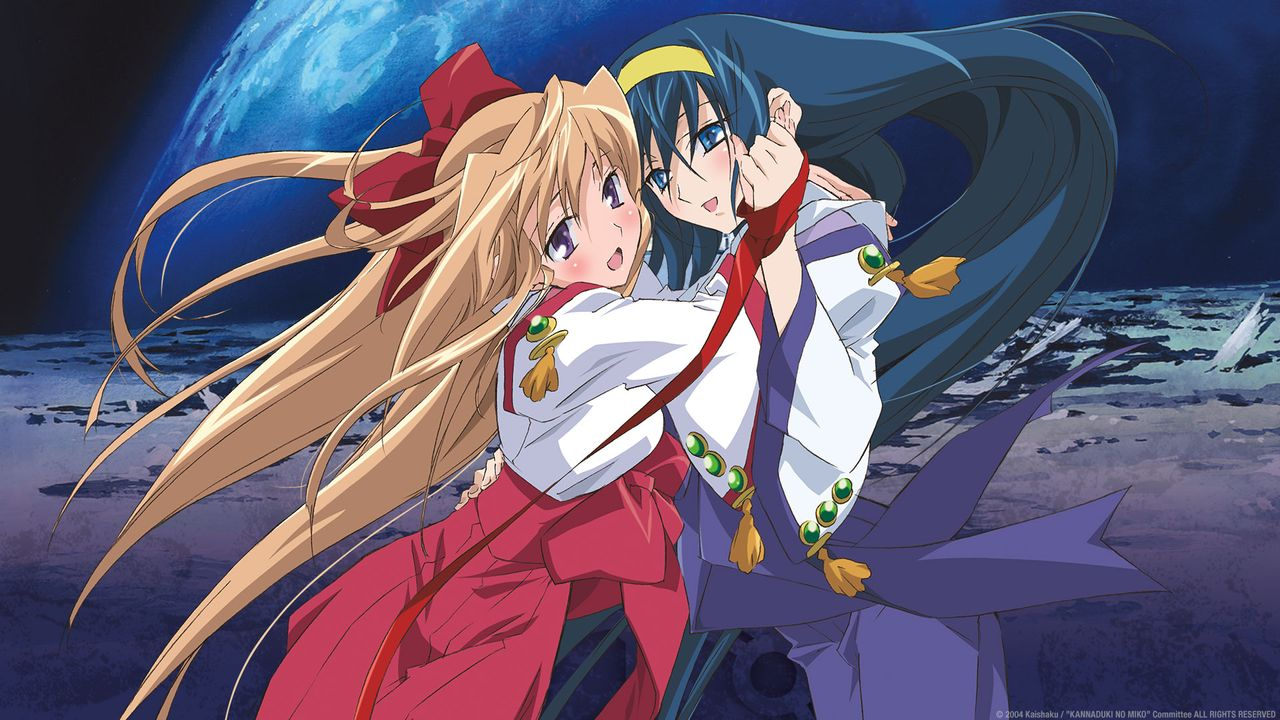
A combination between Japanese myths and mecha. An intricate relationship between 2 girls and one guy, with intense Super Robot combat in-between.
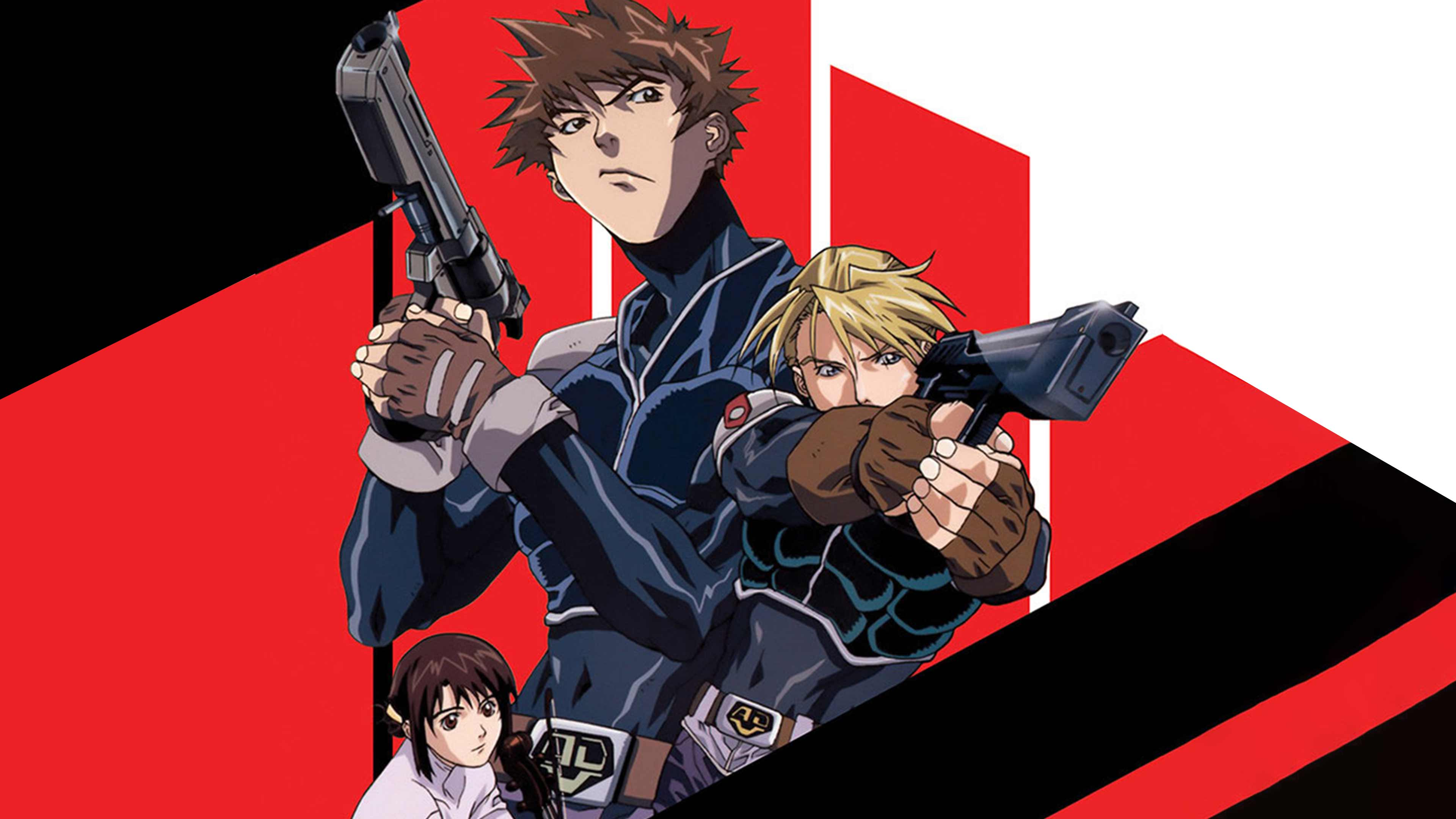
A chance to see the A.D Police from Bubblegum Crisis in honorable action. Two detectives take on cases of rampage Boomers, unraveling a sinister plot that can change the world.
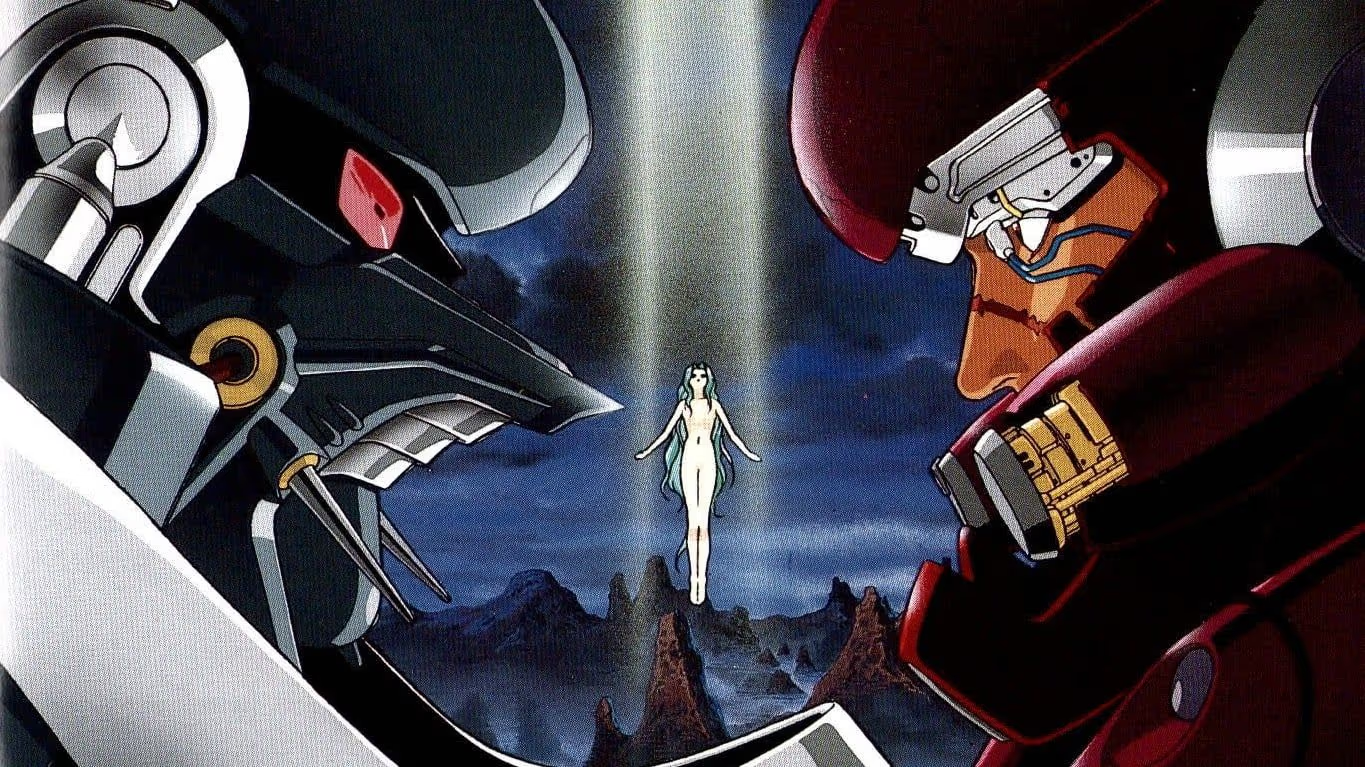
An apocalyptic tale of burning sand and monsters. A young man set out for vengeance, acquiring the usual hot chick and robot buddy on the way.
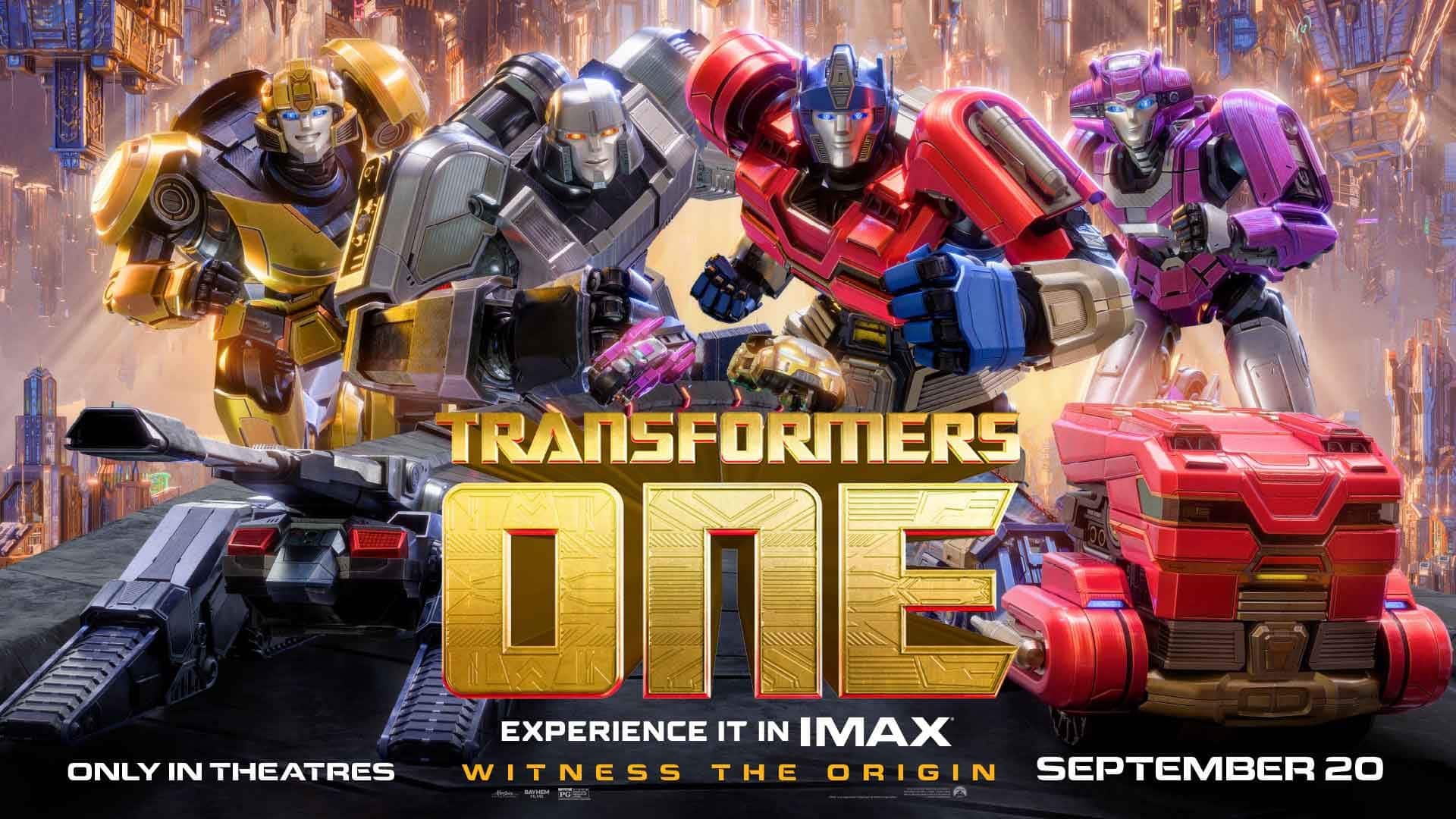
A refreshing tale about how the best of friends became sworn rivals. A vibrant, well animated movie where characters shine through their own merits, and bring a new wind to the franchise.
The fruit of collaboration with Japan Air Self-Defense Force, the air combat scenes of this anime is what set it apart
Despite often being overlooked by newer fans, After War Gundam X is a must watch for any Gundam lovers.
Passion makes satisfaction. A group of student show what they can accomplish with a mecha short film that leaves you desperately wanting more!
A seemingly impossible task of building Mazinger Z hangar in real life. A ragtag team of a planning company assembled the Fantasy Division to turn fiction into reality.
A light-hearted series that turned into intense space opera. The Girl Who Leapt Through Space leaps through many genre to deliver a unique experience and turn everyone’s expectation upside down.
A desolate planet now submerged in liquid. A totally unique and fresh mecha series where all the robots are underwater. Oh and there’s also a talking whale.
A love story that spans through 12000 years. The war between Angels and humans fueled by passionate emotions. Shoji Kawamori shows us why he’s the master of the sky.
What happens if we mix Mahou Shoujo, Mecha and Battle Royale into one? We get Granbelm – an emotional story about the lives of young girls entangled in an ancient war.
In the city of smoke and steam, a young kid works as a detective alongside his nurse and butler to protect the peace. An old classic for fans of the steampunk style.

The 2nd season of the lovely Mass-Produced Riko series. Join Riko and co as they embark on an all new venture, while drawing interesting lesson from building plastic models.
The long-awaited continuation of the mecha isekai of pain. Season 2 of Muv-Luv Alternative is definitely trying to woo you by slamming intense scenes at you – but is it worth it?
One of the most difficult to adapt Mecha series, Muv-Luv Alternative anime started off with a questionable season, but you should still check it out.
A remake of another Tatsunoko hero. The Space Knight returns with a completely new story, design and brings us on an emotional journey of a tragic hero.
The continuation of the hot-blooded saga, this time filled with emotional drama and even more badass action. A great video game adaptation but not without flaws.
The long awaited legend’s return that satisfy all mecha fan’s longing for a good game. Armored Core 6: Fires of Rubicon is an experience you have to play to believe.
Universes collide as the cast of Gridman and Dynazenon is caught in a dimensional anomaly. But what’s more troubled is Yuuta – who has to become Gridman again with a troubled heart.
When you talk about the most badass mecha, you have to mention SRW OG and Masami Obari. And when these two combine, you get the best SRW anime of all time.
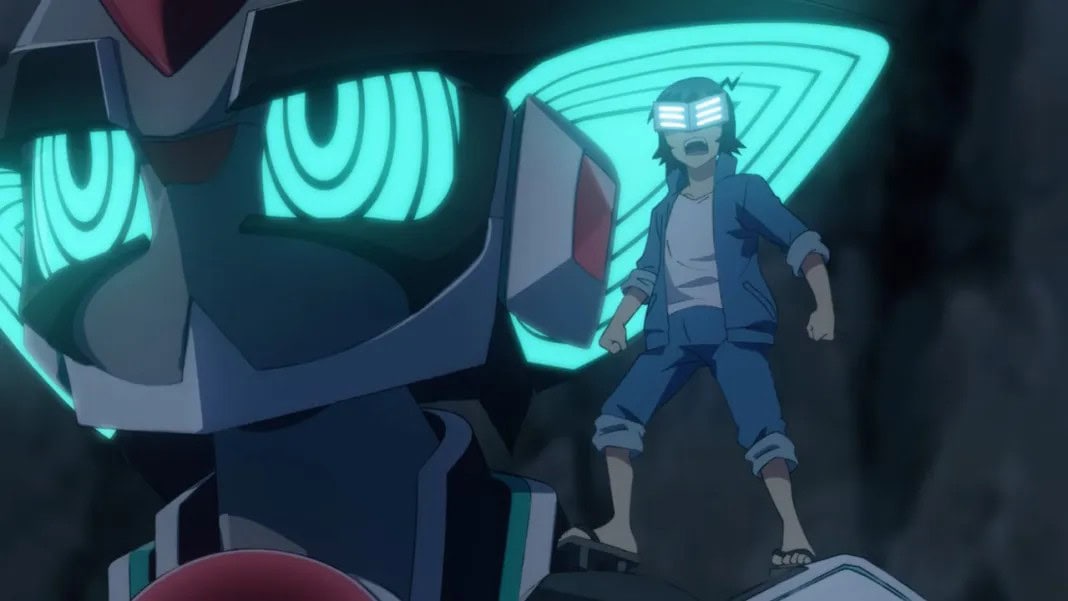
A unique series where the true pacifism versus justice. A bold premise and interesting gimmick make Planet With a very selective series in terms of audience – but it definitely deserves a chance.
From the studio that created Buddy Complex and Valvrave, Cross Ange is another Sunrise’s original that challenges the limit of its audience once more .
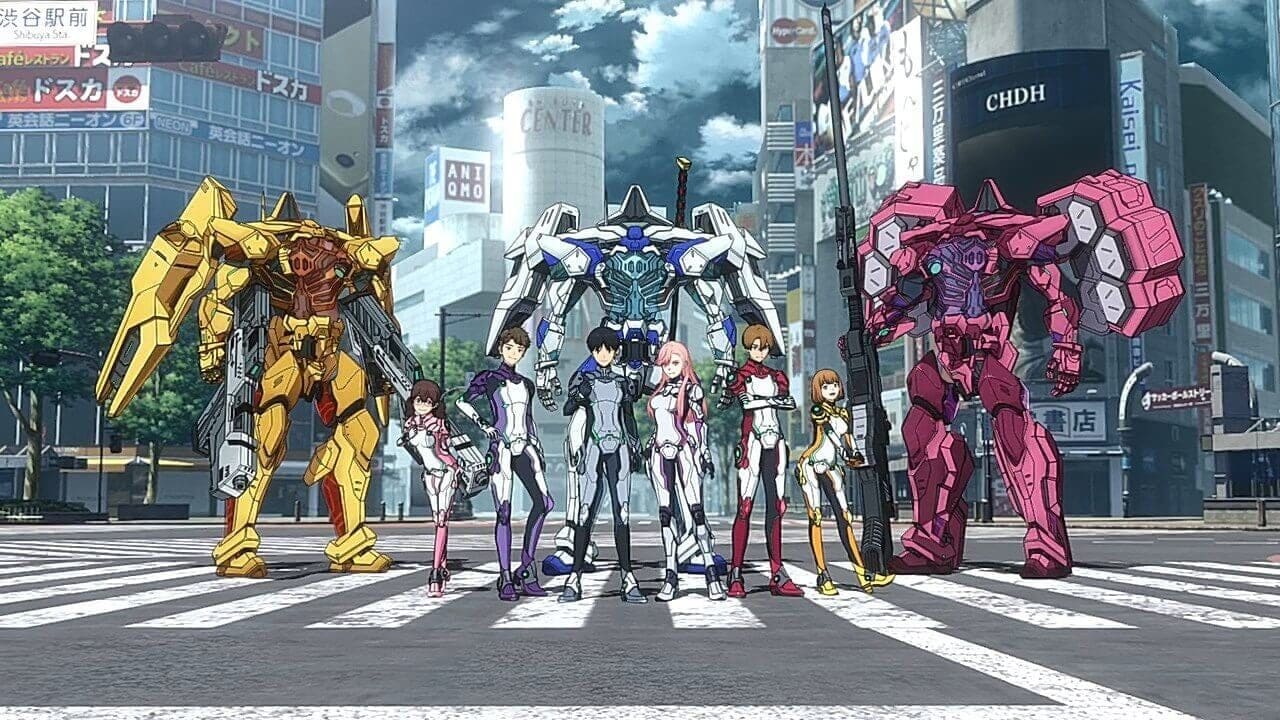
What will you do if you’re teleported to a time with giant grotesque monsters? For teenage student Daisuke Doujima, it’s a perfect chance for him to become a hero, and a saviour. But can he?
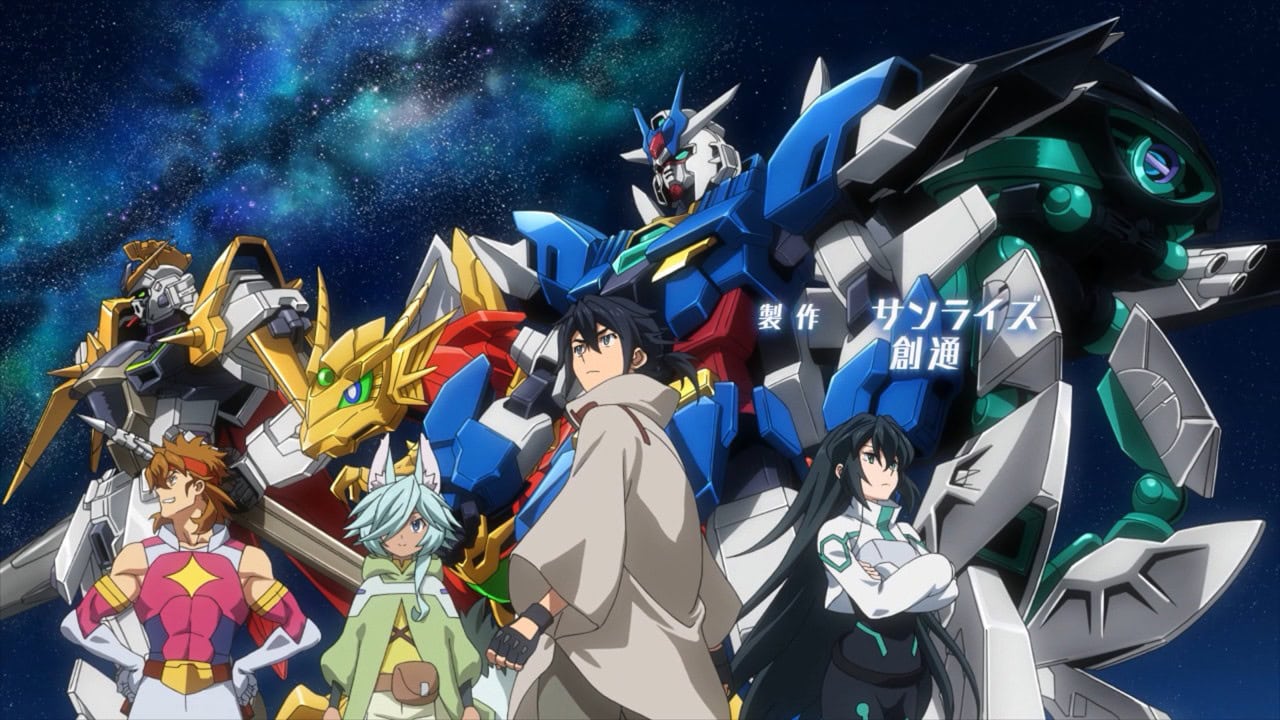
After 2 lukewarm series, Gundam Build rose to form again with Re:Rise. A story with deep characterization for a diverse and likeable cast and awesome Obari action.
Time to go digital! Build series is going full SAO and virtual with Build Divers – a light-hearted series and fun to enjoy without the need to complicate things.
Following GBF, Sunrise wanted to capture the magic with TRY. However, they fell just short of greatness but still create a series with amazing Gunpla battles.
A hobby turned combat sport. Sunrise’s effort to attract new fans turned into a compelling series with gorgeous battles featuring iconic MS from the franchise.
The first animated Build series, Beginning G opened up new venues and excitement for the hobby, with light-hearted yet intense traditional MS battle.
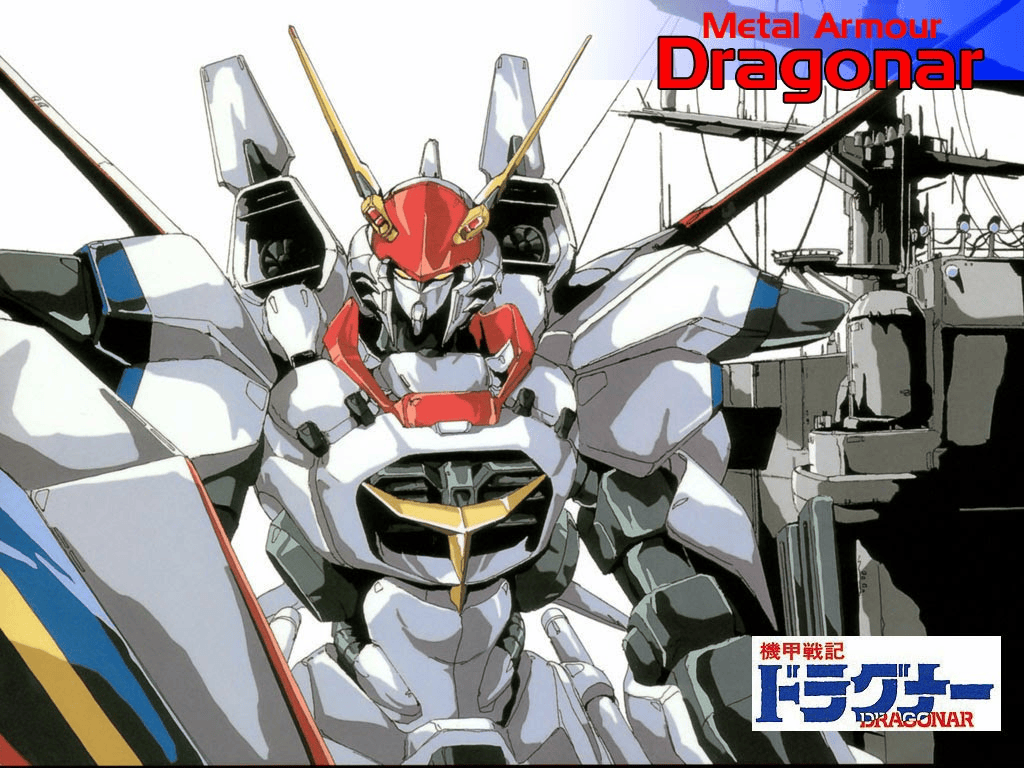
Do you want a Gundam series with a brighter tone but still has banger battles? Then Metal Armor Dragonar is a perfect series for you!

A series about building regular model kit, and using them to find inspiration in life. A very uplifting and chill series for mecha fans to change their perspective on their hobby.
The sequel to SEED – a series that brought Gundam on top of the radar. Destiny is a sequel that earned both the intense love and hate within the fandoms.
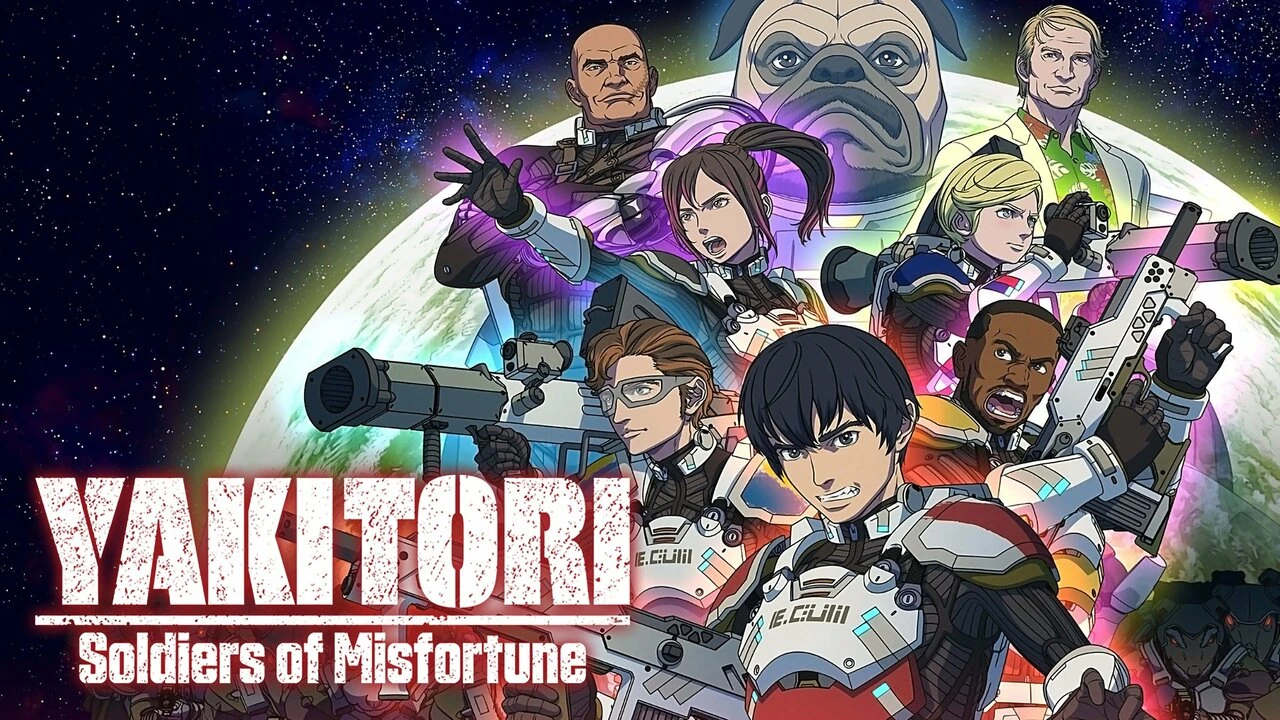
An anime adaptation of a sci-fi novel with the same name, Yakitori really stir up the scene with its unusual storytelling and animation style. However, the characters really hold the series up.
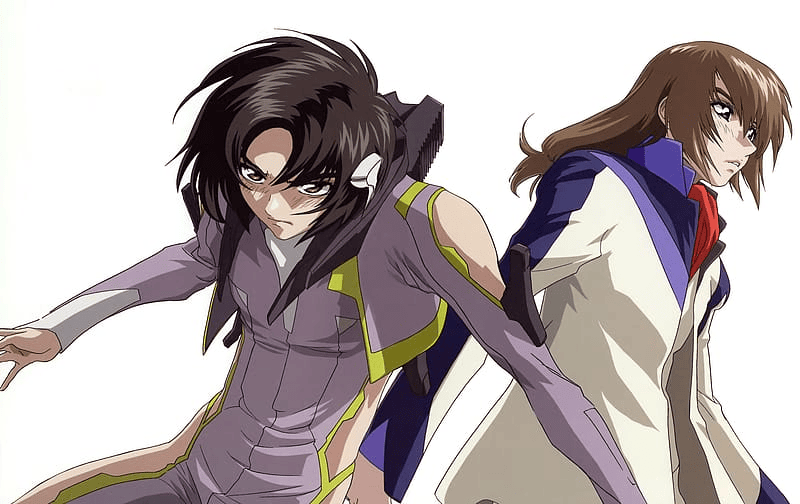
A Fafner novel written by Tow Ubutaka – the person who understand Fafner the most. Explore Kazuki’s POV and his relationship in a way you’ve never seen before.
A new Gundam for a new era. Gundam Seed is one of the most popular modern Gundam series that has fans all around the world. And it also received much love from Sunrise as well.
A love letter to commemorate the pioneer of the Mecha genre, Mazinger Z Infinity remind us of the conviction and justice that the Iron Castle had, is, and will stand for.
A badass and action-packed super robot series with an age-gap marriage between the two main characters. A hearth-throbbing and passionate tale about love and perseverance.
A new story of the boy who awoken a machine. Casshern Sins follow a conflicting young man in a world where life seems meaningless, yet everyone yearn for it anyway.
Just when things have calmed down, the Gear Users once again face an apocalyptic threat from a mysterious high order. This put Hibiki and her friends at risk once more.

New threats emerged to threaten the world. But new allies also appear to bring the Gear’s songs to a new level. A new battle await the girls!
Mahou Shoujo x Tokusatsu combined with plenty of mecha references, Symphogear bring us an audio and visual experience that is just the beginning. of a great franchise.
A new nation, a new story, a new battlefield. The reborn Eighty Six must choose between a life of peace or death. Will the Reaper be able to move on?
The depressing, gripping yet hopeful world of Eighty Six brought to life with A-1’s adaptation. The vision of Asato receives a depiction so emotional like no others.
A fun dogfight experience with some mecha combat thrown into the mix, Strike Suit Zero scratches some of that Macross action game that PC gamer has been wanting.
With his life completely smashed apart and turned upside down, teenage boy Ayato had to navigate a new world while being the key to control the winged giant RahXephon.